
The Birth of Smart Home Technology
The concept of smart home technology can be traced back to the development of early home automation systems in the 1960s and 1970s. Initially, these systems offered basic functionalities such as remote control lights and appliances through wired connections. The evolution of smart homes began to gain momentum with the advent of personal computers in the 1980s, enabling more user-friendly interfaces for home automation. However, it was the emergence of Wi-Fi in the late 1990s that served as a catalyst for the transformation of home automation into what we now recognize as smart technology.
The integration of the Internet of Things (IoT) into daily life in the early 2000s marked a significant turning point. As more devices became connected to the internet, homeowners were able to control appliances remotely via smartphones and computers. This technological advancement fostered greater convenience and efficiency, allowing users to monitor security systems and adjust heating or cooling systems from virtually anywhere. The introduction of voice-activated assistants, such as Amazon’s Alexa and Google Home, has further enriched the smart home experience, granting users hands-free control of their environment.
Over the past decade, consumer demand for smarter and more energy-efficient homes has surged. Technological advancements combined with increased public awareness of environmental sustainability have spurred innovation in the smart home market. Manufacturers are now racing to develop new gadgets and solutions that not only enhance livability but also promote energy conservation. As a result, smart home ecosystems have become more versatile, empowering users to tailor their living spaces to specific needs and preferences through seamless integration of various devices.
In summary, the journey of smart home technology from rudimentary automation systems to sophisticated smart devices illustrates a remarkable transformation. The combined influence of Wi-Fi, IoT, and evolving consumer expectations continues to drive the development of interconnected homes, heralding a new era in how we interact with our living environments.
Key Smart Home Gadgets and Their Functions
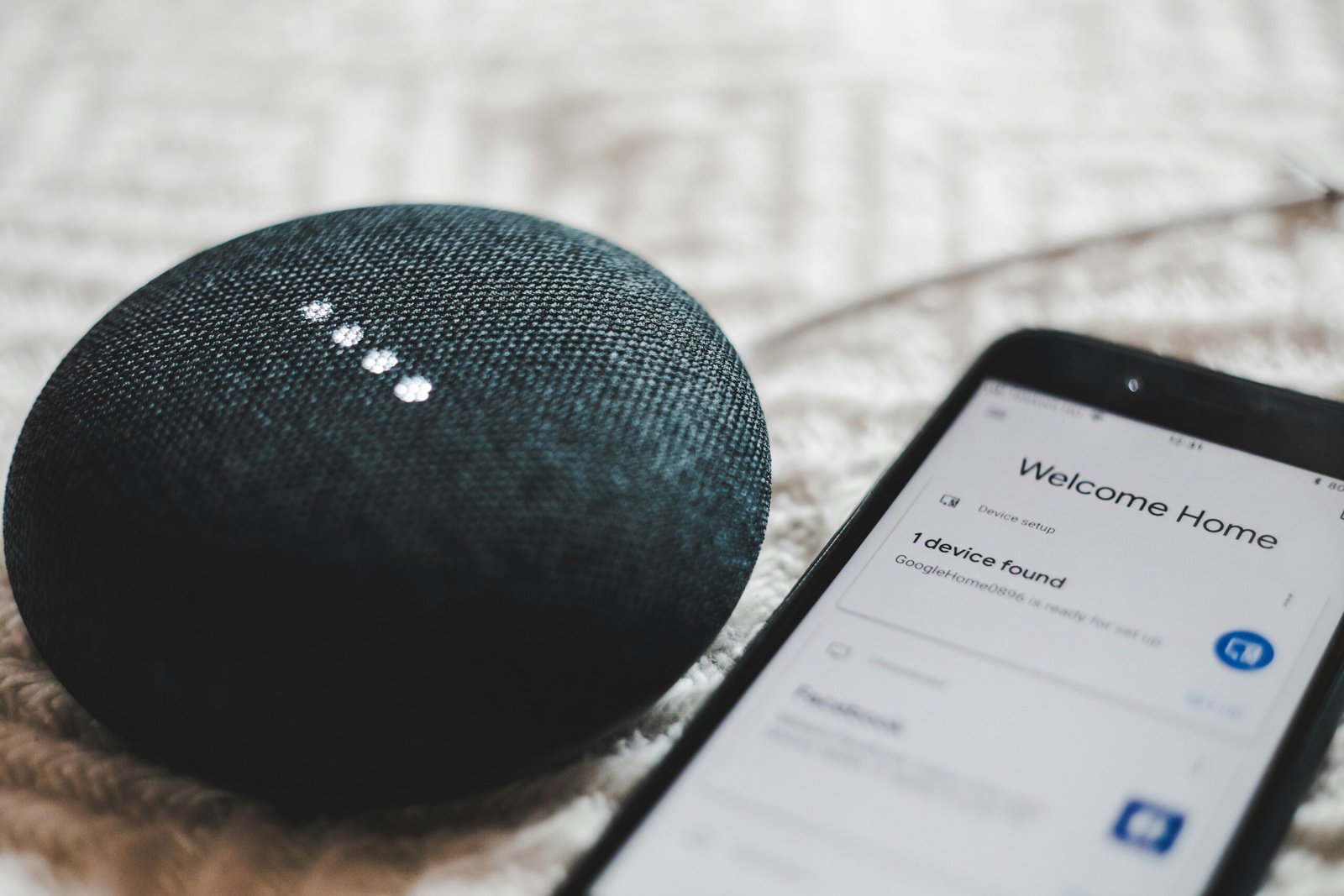
The advent of smart home gadgets has revolutionized the way we manage our living spaces, enhancing convenience and security. Among the most popular devices in this category are smart speakers, which serve as central hubs for controlling various smart home functions. Devices like Amazon Echo and Google Nest not only play music but also allow users to manage their home environments, set reminders, and even control other smart devices through voice commands. Their compatibility with different platforms and services has made them essential components of smart home ecosystems.
Another critical gadget is the smart security camera, which enhances home safety by allowing homeowners to monitor their property in real-time from anywhere. These cameras, such as those offered by Arlo and Ring, typically feature motion detection, two-way audio, and the ability to send alerts to your smartphone. This functionality provides peace of mind, particularly for those who spend extended periods away from home. Additionally, most of these devices integrate with existing smart home systems, ensuring seamless connectivity and control.
Smart thermostats, such as the Nest Learning Thermostat, have also gained popularity for their energy-saving capabilities. These devices learn user preferences and adapt accordingly, optimizing heating and cooling schedules. By allowing remote access and control through an app, smart thermostats enable users to manage their energy consumption efficiently, contributing to lower utility bills and a reduced carbon footprint.
Lastly, smart lighting systems offer another layer of control and customization. Brands like Philips Hue and LIFX allow users to change not only brightness but also the color of the lights in their homes, creating various moods and ambiance. These systems can be programmed to respond to different events or times of day, further enhancing the living experience.
While the convenience provided by these smart home gadgets is undeniable, it is essential to remain aware of the accompanying privacy and security considerations. Ensuring that these devices are secured against unauthorized access is critical for maintaining safety in increasingly connected homes.
Home Automation: Streamlining Daily Routines
Home automation represents a significant leap forward in the management of household activities, thanks to advancements in technology that enable users to control smart devices from virtually anywhere. The integration of these devices helps streamline daily routines by allowing homeowners to automate tasks such as turning on lights, adjusting the thermostat, or managing home security systems with just the push of a button or through voice commands. This technology enhances convenience and efficiency in our lives.
One of the primary benefits of home automation is energy efficiency. Smart thermostats, for example, can learn user preferences over time and adjust heating and cooling accordingly. This not only ensures comfort but also reduces energy consumption, resulting in lower utility bills. Additionally, smart lighting systems can be programmed to turn off when rooms are not in use, further contributing to energy savings. By leveraging these automated solutions, households can effectively minimize their carbon footprint.
Security is another critical advantage offered by home automation. Smart security systems can be seamlessly integrated with cameras and motion sensors that send real-time alerts to homeowners via smartphones or other devices. This level of control reduces vulnerability to intrusions and allows for more effective monitoring of one’s property. Furthermore, features such as smart locks enable homeowners to manage access without needing physical keys, adding an extra layer of security to their homes.
While the benefits of home automation are compelling, it is essential to acknowledge the potential challenges homeowners might face. Technical issues, compatibility concerns between different devices, and cybersecurity threats can complicate the integration of smart technologies. To address these concerns, homeowners are encouraged to conduct thorough research, seek professional installation if necessary, and ensure their network security protocols are robust.
The Future of Smart Homes: Trends and Innovations
The evolution of smart home technology is poised to significantly enhance the way we interact with our living spaces. As we look to the future, several key trends and innovations are making their mark in this rapidly growing industry. One of the foremost advancements is the rise of voice recognition systems. With platforms like Amazon Alexa, Google Assistant, and Apple’s Siri, homeowners can control various devices using simple voice commands. This seamless interaction is set to become even more sophisticated, allowing for enhanced personalization and intuitive responses based on users’ preferences.
Another pivotal trend is the integration of artificial intelligence (AI) within smart home devices. AI algorithms facilitate automated learning, enabling devices to adapt to the homeowner’s habits over time. For instance, smart thermostats can learn a user’s schedule, optimizing energy usage for comfort and efficiency. Furthermore, AI can enhance security systems by analyzing data from surveillance cameras and providing real-time alerts, ensuring peace of mind in an increasingly connected world.
As smart ecosystems expand, the interoperability between devices is expected to improve. Manufacturers are increasingly adopting standardized protocols like Matter, which promises greater compatibility across different brands and devices. This shift will create a more cohesive user experience, allowing various smart gadgets to communicate effectively and work in unison. However, as technology evolves, so too do the challenges that accompany it. Security risks remain a primary concern, as increased connectivity can potentially expose devices to cyber threats. Additionally, accessibility issues present hurdles for elderly users or those with disabilities, necessitating a commitment to inclusive design.
In conclusion, the future of smart homes holds immense potential for transforming our living environments. By embracing emerging trends while addressing inherent challenges, the industry can ensure that smart technology enhances our lives in meaningful and accessible ways.