
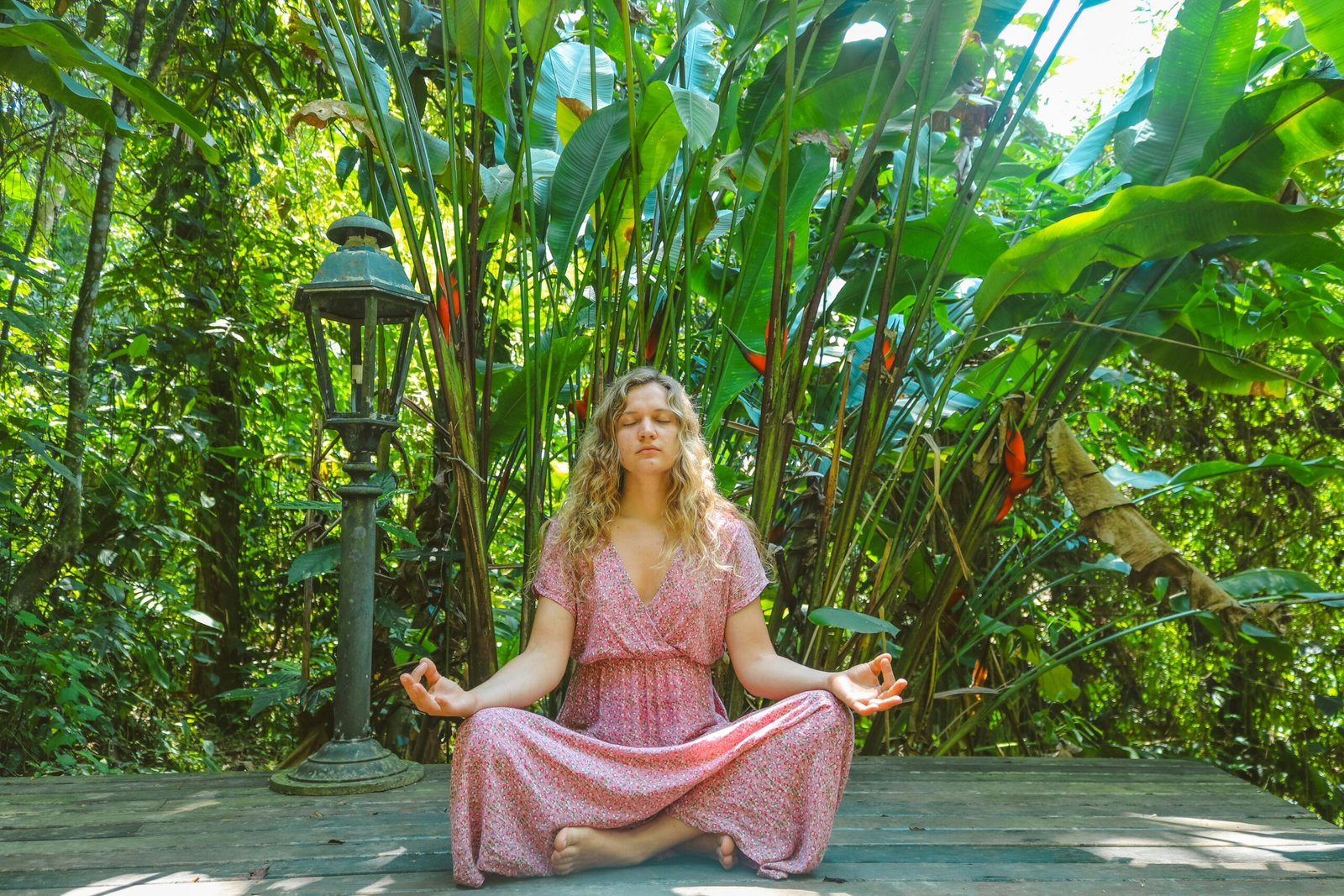
Understanding Meditation and Mindfulness
Meditation and mindfulness, although often used interchangeably, represent distinct concepts that contribute to mental well-being. Meditation is a structured practice focused on fostering a heightened state of awareness, often involving specific techniques such as breath control, visualization, or mantra repetition. Mindfulness, on the other hand, encompasses the broader application of awareness in daily life. This practice encourages individuals to pay attention to the present moment without judgment, integrating awareness into all activities.
Numerous scientific studies illustrate the benefits of incorporating meditation into daily routines. Evidence suggests that regular meditation practice can significantly reduce stress levels. A meta-analysis published in the journal Psychological Bulletin found that mindfulness meditation can lower anxiety and depressive symptoms, enhancing emotional resilience. This leads to improved emotional regulation, enabling practitioners to respond to stressful situations with greater equanimity.
Moreover, the focus of meditation fosters enhanced concentration and cognitive flexibility. Research conducted at the University of California demonstrated that individuals who engaged in mindfulness practices exhibited improvements in focus and attention span, allowing for better task performance. The ability to concentrate is crucial not only for academic and professional success but also for personal fulfillment and relationship enhancement.
Incorporating meditation into one’s routine does not necessitate lengthy sessions; even short periods of practice can yield substantial benefits. Mindfulness techniques, such as mindful breathing or body scanning, can be practiced in as little as a few minutes, making it accessible to anyone regardless of their schedule. By understanding the foundational elements of meditation and mindfulness, individuals can make informed decisions about how to integrate these practices into their lives, leading to profound personal transformations.
The Benefits of Meditation
Meditation has garnered recognition for its profound effects on mental clarity, emotional stability, and overall well-being. Its multifaceted benefits extend beyond mere relaxation, offering individuals a chance to cultivate a more balanced and fulfilling life. Numerous studies have indicated the positive impacts of meditation on mental health, underscoring its potential to alleviate symptoms related to anxiety and depression. By engaging in regular meditation practice, individuals can develop resilience against stressors, promoting a more tranquil mental state.
Research shows that individuals who meditate regularly experience reductions in anxiety levels, which in turn improves their capacity to manage day-to-day challenges. This practice offers a space to foster self-awareness and mindfulness, encouraging a deeper understanding of one’s thoughts and emotions. Such awareness is instrumental in breaking cycles of negative thinking, which can often contribute to mental health disorders.
In addition to its mental health benefits, meditation has also been associated with considerable physical health improvements. For instance, various studies have demonstrated that mindfulness meditation can lead to decreased chronic pain levels. By enhancing one’s ability to focus and maintain attention, practitioners often report a greater understanding of their bodily sensations, which can diminish the perception of pain itself. Furthermore, regular meditation may improve cardiovascular health, reducing blood pressure, and promoting a healthier heart.
Moreover, the emotional benefits of meditation are equally noteworthy. Participants often report heightened levels of empathy, compassion, and emotional intelligence. This growth fosters improved interpersonal relationships and heightened social wellness. Engaging in meditation can cultivate an environment where emotional healing occurs, making it a beneficial tool for those navigating the complexities of human emotions.
In consideration of these benefits, it becomes evident that meditation is not merely a practice for relaxation but a comprehensive approach to enhancing both mental and physical well-being. By embracing meditation, individuals can embark on a transformative journey toward improved health and quality of life.
Types of Meditation Practices
Meditation encompasses a diverse array of practices, each offering distinct techniques and benefits to those embarking on a mindfulness journey. Understanding the various types of meditation can help novices find the method that resonates most with their personal needs and lifestyle.
One of the most popular forms is mindfulness meditation. This practice encourages individuals to focus on the present moment while observing thoughts, sensations, and feelings without judgment. By cultivating awareness, practitioners may reduce stress and enhance emotional regulation. Starting with just a few minutes daily can foster a lasting connection to the present.
Guided meditation offers a more structured approach, where an instructor or a recorded session leads participants through a series of visualizations or relaxation techniques. This method is particularly beneficial for beginners who may find it difficult to meditate independently. By following along, they can experience a deeper state of relaxation and focus, often tailored to specific themes like stress relief or personal growth.
Transcendental meditation (TM) is another widely recognized practice. TM involves silently repeating a specific mantra to help settle the mind into a profound state of rest and relaxation. Practiced for 20 minutes twice daily, this technique promotes deep mental tranquility and has been associated with improved cardiovascular health and decreased anxiety levels.
Lastly, loving-kindness meditation, or Metta, focuses on developing an attitude of love and compassion towards oneself and others. Through a series of phrases and intentions, practitioners cultivate goodwill, which can enhance emotional well-being and strengthen interpersonal relationships.
Each meditation practice offers unique advantages and methods, making it essential for individuals to explore different options. Finding the right technique is a personal journey that can lead to significant mental and emotional benefits over time.
Creating Your Ideal Meditation Space
Establishing a dedicated meditation space in your home is essential for cultivating a mindfulness practice that promotes relaxation and focus. The first step in creating an inviting meditation area is to choose the right location. Look for a quiet corner or room where you are less likely to be interrupted. Ideally, this space should be separate from the hustle and bustle of daily activities, allowing you to fully immerse yourself in your meditation sessions.
Once you have identified a location, the next consideration is lighting. Natural light is a great option, as it can enhance your mood and create a sense of calm. However, you may want to incorporate adjustable lighting, such as soft lamps or candles, to create a tranquil atmosphere. The ability to control lighting is crucial, as a well-lit space can help signal your brain that it is time to unwind and focus.
Eliminating distractions is another important factor in setting up your meditation area. Ensure that the space is free from noise and clutter. You might consider using soundproofing elements or an area rug to dampen any unwanted sounds. Additionally, keep the area tidy and organized, as a clean environment can promote a clearer mind. Store away any items that are not relevant to your meditation practice to further minimize distractions.
Incorporating calming elements can also enhance the overall ambiance of your meditation space. Consider adding soothing scents, such as essential oils or incense, which can help you relax and center your thoughts. Textiles, such as cushions or blankets, can provide comfort and invite you to spend more time in your meditation area. Lastly, incorporating gentle sounds, such as soft music or nature sounds, can further inspire relaxation and enhance your mindfulness experience.
How to Start Your Meditation Practice
Embarking on a meditation practice can seem daunting for beginners; however, approaching it with a structured and mindful attitude can significantly ease the transition. To begin, it is essential to select the right time for your practice. This could be early in the morning, during your lunch break, or in the evening, depending on your schedule and when you feel most at ease. Finding a consistent time each day will help establish a routine, allowing meditation to become an integral part of your daily life.
Next, setting intentions is a crucial step in your meditation journey. Consider what you hope to achieve through meditation—whether it’s stress relief, heightened focus, or emotional clarity. Articulating these intentions can provide direction and enhance your experience, grounding your practice in purpose.
Once your time and intentions are set, it is wise for beginners to start with short durations. Initially, aim for as little as five to ten minutes per session. Gradually increase this time as you become more comfortable with the process. The key is to remain patient and gentle with yourself while developing your practice.
To assist you in getting started, here is a simple script for beginners: find a quiet space where you won’t be disturbed, sit comfortably, and close your eyes. Take a moment to breathe deeply, inhaling through your nose and exhaling through your mouth. As you breathe, focus on the sensation of your breath entering and leaving your body. If thoughts arise, acknowledge them and gently redirect your attention back to your breath. Continue this practice for the duration you have chosen. Over time, you may notice a shift in your ability to concentrate and a deeper sense of calm, laying a solid foundation for your mindfulness journey.
Staying Consistent with Your Practice
Maintaining a consistent meditation practice can be a challenging endeavor for many individuals, often hindered by busy schedules, fluctuating motivation, and the demands of everyday life. However, establishing a sustainable routine is essential for experiencing the full benefits of mindfulness. Here are some practical strategies to help enhance consistency in your meditation journey.
One effective method is to set specific reminders throughout your day. Utilizing phone alarms, calendar notifications, or even sticky notes in visible areas can serve as prompts to initiate your meditation sessions. By making meditation a scheduled activity, you create a dedicated time slot for mindfulness, thereby reducing the chances of postponement or neglect.
Tracking your progress can also serve as a motivational tool. Consider maintaining a meditation journal where you document your sessions, thoughts, and experiences. By regularly reflecting on your practice, you can gain insights that fortify your commitment and highlight personal growth. Digital applications designed for meditation tracking can further enhance this experience, providing visual representations of your progress over time.
Joining meditation groups can facilitate a sense of community and accountability, both of which are crucial for maintaining motivation. Engaging with others who share similar mindfulness goals can provide inspiration and encourage you to stay committed. Many local yoga studios and wellness centers offer group meditation sessions, while online platforms provide virtual options that can fit into a busy lifestyle.
Lastly, integrating meditation into your daily routine can significantly support consistency. Whether it’s starting your day with a morning session, taking short breaks during work hours, or ending your day with reflection, finding opportunities to weave mindfulness into your life can make it a natural and unintrusive habit.
Utilizing these strategies can help overcome common barriers and facilitate a more consistent meditation practice, ultimately enhancing your mindfulness journey.
Using Technology to Enhance Your Practice
The integration of technology into meditation practices presents a valuable opportunity for both beginners and seasoned practitioners. Numerous meditation apps are available that offer a variety of features tailored to enhance mindfulness journey. For instance, apps such as Headspace and Calm provide guided meditation sessions, mindfulness exercises, and progress tracking, making it easier for novices to establish a consistent practice.
In addition to mobile applications, many platforms also provide online courses specifically designed for those new to meditation. Websites like Coursera and Udemy host structured programs that delve into different techniques, enabling users to learn at their own pace. Video-guided sessions on platforms such as YouTube are also an excellent resource. These visual aids can demonstrate techniques and concepts that may be more challenging to grasp through text alone.
Despite the benefits of utilizing technology in meditation practices, there are certain drawbacks to consider. One primary concern is the potential for distraction. While meditation apps are designed to promote focus, notifications and other features can inadvertently lead to interruptions. It is important for users to find a balance, ensuring that they limit interruptions and distractions during their practice. This mindful approach can help prevent an overreliance on technology and encourage a deeper, more authentic connection with meditation.
Ultimately, technology can significantly enhance your mindfulness journey when used judiciously. Employing apps and online resources may provide structure and guidance, helping individuals cultivate a more dedicated meditation practice. By remaining mindful of both the advantages and disadvantages of technology, practitioners can effectively incorporate these tools into their experience, ensuring that they serve to enhance rather than detract from their meditation efforts.
Overcoming Common Obstacles
Embarking on a meditation journey can offer profound benefits, yet beginners often encounter common obstacles that may hinder their practice. One of the primary challenges faced is the prevalence of wandering thoughts. When you sit down to meditate, your mind may race with thoughts about the past, future, or daily tasks. This phenomenon is entirely normal and is encountered by practitioners at all levels. To address this, it is helpful to approach meditation with a mindset of acceptance. Instead of battling these thoughts, acknowledge their presence and gently guide your focus back to your breath or chosen point of focus, learning to observe them without attachment.
Furthermore, many novices struggle with the physical discomfort of sitting still for extended periods. This discomfort can cause frustration, leading to a premature abandonment of practice. To mitigate this, consider experimenting with various postures or supports. Whether sitting on a cushion, using a chair, or even choosing to meditate while standing or walking, finding a comfortable position can significantly enhance endurance. Regularly changing positions can also keep the body engaged, allowing for a more prolonged meditation session.
Lastly, feelings of overwhelm may arise as one attempts to dive into meditation. New practitioners may feel daunted by the idea of “clearing the mind,” mistakenly believing this to be a prerequisite for effective meditation. A practical strategy is to start with small, manageable sessions, gradually increasing duration as comfort grows. Additionally, employing guided meditations can alleviate anxiety by providing structure and direction. Remember, persistence and patience are vital in the journey of mindfulness. The path of mediation is non-linear, and recognizing these challenges as parts of the journey can foster resilience and growth in your practice.
Understanding the Journey of Mindfulness
Embarking on a mindfulness journey through meditation is often described as a deeply personal and transformative experience. Unlike conventional pursuits, mindfulness is not a destination to reach but rather a continuous journey that is shaped by individual experiences and perspectives. As new practitioners venture into meditation, it is essential to understand that the path to mindfulness is marked by fluctuations rather than a linear progression. Every meditation session can present unique challenges and insights, which contribute to one’s growth and understanding of inner peace.
Many seasoned practitioners will affirm that their journey has been far from straightforward. Initially, one might encounter common obstacles such as restless thoughts or difficulty in maintaining focus. These challenges, while frustrating, are integral to the process of developing mindfulness. They serve as opportunities for introspection and gradual improvement. Taking the time to embrace these instances can foster resilience and patience, ultimately leading to deeper insights into oneself.
Personal stories often illustrate the diverse pathways to mindfulness. One practitioner shared that their breakthrough moment came unexpectedly, amidst frustration with their inability to quiet their mind. By allowing themselves to experience these emotions without judgment, they found a newfound clarity that significantly enhanced their meditation practice. Such testimonials illustrate that progress in mindfulness can manifest differently for each individual, emphasizing the importance of honoring one’s unique journey.
As individuals progress through their meditation practice, they may uncover deeper connections to their thoughts, emotions, and body, further enriching their mindfulness journey. This deep structure of self-awareness allows for continued exploration and personal growth. Ultimately, the emphasis lies on commitment and perseverance, as these qualities pave the way to a fulfilling and rewarding relationship with mindfulness.