
Understanding Blood Pressure and Diabetes
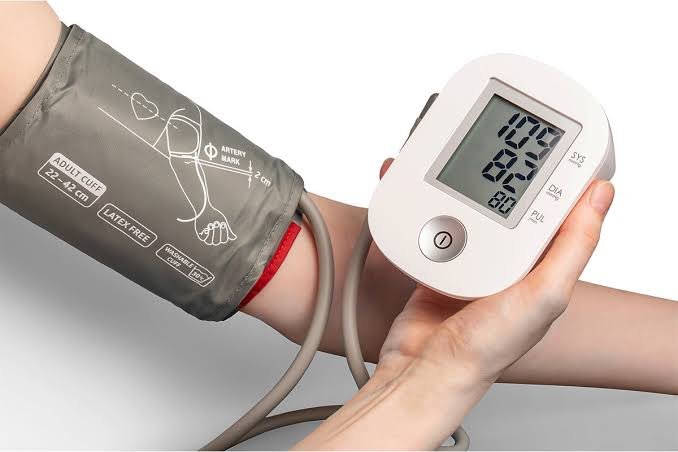
Blood pressure is a crucial health indicator that reflects the force of blood against the walls of the arteries during heartbeats and between beats. It is expressed in millimeters of mercury (mmHg) and is represented by two numbers: systolic pressure (the first number) measures the pressure when the heart beats, while diastolic pressure (the second number) measures the pressure when the heart rests between beats. Understanding these values is essential, particularly for individuals managing diabetes, as abnormal blood pressure can significantly complicate their health outcomes.
Diabetes affects overall cardiovascular health by impacting how the body processes glucose, which can lead to a higher risk of hypertension, also known as high blood pressure. When blood glucose levels remain consistently elevated, as seen in poorly managed diabetes, they can damage blood vessels and nerves that control the heart, leading to an increased risk of both high blood pressure and cardiovascular diseases. Consequently, it is vital for diabetic patients to monitor their blood pressure regularly to avoid further complications.
Normal blood pressure readings typically range below 120/80 mmHg. However, levels reaching 130/80 mmHg or higher are categorized as hypertension, a condition that poses significant health risks. For individuals with diabetes, the American Diabetes Association recommends maintaining blood pressure levels below 140/90 mmHg to help minimize the risk of heart disease and stroke. Failure to control blood pressure not only impacts diabetes management but can also lead to severe complications such as kidney damage and eye disease.
In light of this information, managing blood pressure is a non-negotiable aspect of diabetes care. Effective strategies may include lifestyle modifications such as regular physical activity, a balanced diet low in sodium and saturated fat, and adherence to prescribed medications. By prioritizing blood pressure regulation, individuals with diabetes can enhance their overall cardiovascular health and improve their diabetes management outcomes.
The Risks of Uncontrolled Blood Pressure in Diabetic Patients
The intertwining relationship between uncontrolled blood pressure and diabetes can significantly amplify health challenges for individuals managing these conditions. High blood pressure, or hypertension, is particularly prevalent among diabetic patients, and this comorbidity raises the risk of severe complications. One of the primary health risks associated with elevated blood pressure in diabetic patients is heart disease. Research indicates that individuals with diabetes are already at a heightened risk for cardiovascular diseases, and the presence of uncontrolled hypertension can exacerbate this danger, leading to an increased incidence of heart attacks and heart failure.
Moreover, the connection between high blood pressure and stroke is another critical concern. Studies have shown that diabetic individuals with hypertension have a substantially higher risk of experiencing a stroke compared to their non-diabetic counterparts. This risk is driven by the potential for accelerated atherosclerosis, which narrows blood vessels and can initiate or worsen cardiovascular events. The urgency of managing blood pressure cannot be understated, as addressing these two interrelated conditions is vital for survival and overall quality of life.
Kidney failure stands out as another alarming consequence of uncontrolled blood pressure in those with diabetes. High blood pressure contributes to diabetic nephropathy, a condition characterized by kidney damage. Statistical data indicates that approximately 30% of diabetic patients may develop chronic kidney disease; uncontrolled hypertension is a significant contributing factor. Expert opinions consistently emphasize the necessity of dual management approaches, urging both blood glucose levels and blood pressure to be monitored and controlled meticulously.
Implementing comprehensive management strategies is essential, combining lifestyle changes, medication regimes, and regular healthcare check-ups to mitigate the risks associated with this dual burden. Addressing hypertension not only aids in diabetes management but also plays a crucial role in prolonging life and enhancing quality of care for diabetic patients. Understanding the urgency and implications of hypertension within this population is paramount to ensure patient safety and long-term health outcomes.
Effective Strategies for Managing Blood Pressure in Diabetes
Managing blood pressure effectively is critical for individuals with diabetes, as they are at a heightened risk for cardiovascular complications. A comprehensive management plan should incorporate lifestyle modifications, medication, and regular monitoring to ensure optimal health outcomes.
One of the most impactful lifestyle changes involves dietary modifications. Adopting a balanced diet that emphasizes whole foods, including fruits, vegetables, whole grains, and lean proteins, can help regulate blood pressure. Specifically, the DASH (Dietary Approaches to Stop Hypertension) diet is particularly beneficial, as it emphasizes reducing sodium intake while increasing potassium-rich foods. This approach not only aids in controlling blood pressure but also supports blood sugar management.
Regular physical activity plays a vital role in blood pressure and diabetes management. Engaging in aerobic exercises, such as walking, swimming, or cycling for at least 150 minutes a week, is recommended. Additionally, strength training exercises should be incorporated at least twice a week. Exercise not only promotes weight management and reduces stress but also helps improve insulin sensitivity, leading to better blood sugar control.
Weight management is another essential component. Maintaining a healthy weight can significantly lower the risk of developing hypertension and improve insulin sensitivity. For those who are overweight, even a modest weight loss of 5 to 10% can produce substantial improvements in blood pressure and overall health.
Stress reduction techniques, such as mindfulness, yoga, and meditation, can help mitigate the effects of stress on blood pressure levels. These practices promote relaxation and can further contribute to glucose control by enhancing emotional well-being.
In addition to these lifestyle changes, medication may be necessary for some individuals to achieve target blood pressure levels. Frequent monitoring of blood pressure and blood glucose levels is essential. Regular consultations with healthcare providers can help tailor a personalized management plan, accommodating any medication adjustments required based on individual progress.
Conclusion: The Importance of Integrated Care for Diabetes and Blood Pressure
In the realm of healthcare, the interplay between diabetes management and blood pressure control is increasingly recognized as a critical area for improving patient outcomes. The clear correlation between high blood pressure and diabetes necessitates a comprehensive approach to treatment. Patients with diabetes are at a heightened risk for developing hypertension, making it essential for healthcare providers to implement an integrated care plan that addresses both conditions simultaneously.
It is imperative for individuals with diabetes to understand that managing their blood pressure is not merely a matter of addressing a secondary concern; it is a vital component of their overall health strategy. Regular screenings for hypertension should be an integral part of diabetes management plans. This proactive approach enables early detection and intervention, thereby reducing the risk of complications such as cardiovascular disease and kidney damage, which are often exacerbated by uncontrolled blood pressure.
Moreover, educating patients about the importance of maintaining optimal blood pressure levels alongside their diabetes management can lead to better adherence to treatment regimens. Patients should be encouraged to engage with their healthcare teams actively, asking questions and seeking guidance on lifestyle modifications, medication options, and monitoring techniques for both conditions.
As we move forward, the healthcare system must continue to promote an integrated approach that enhances collaboration among healthcare providers. This includes ensuring that diabetes specialists, primary care providers, and even pharmacists work together to create a cohesive plan for patients. As a result, patients will be better equipped to manage their health effectively, leading to improved quality of life and reduced long-term health risks.