
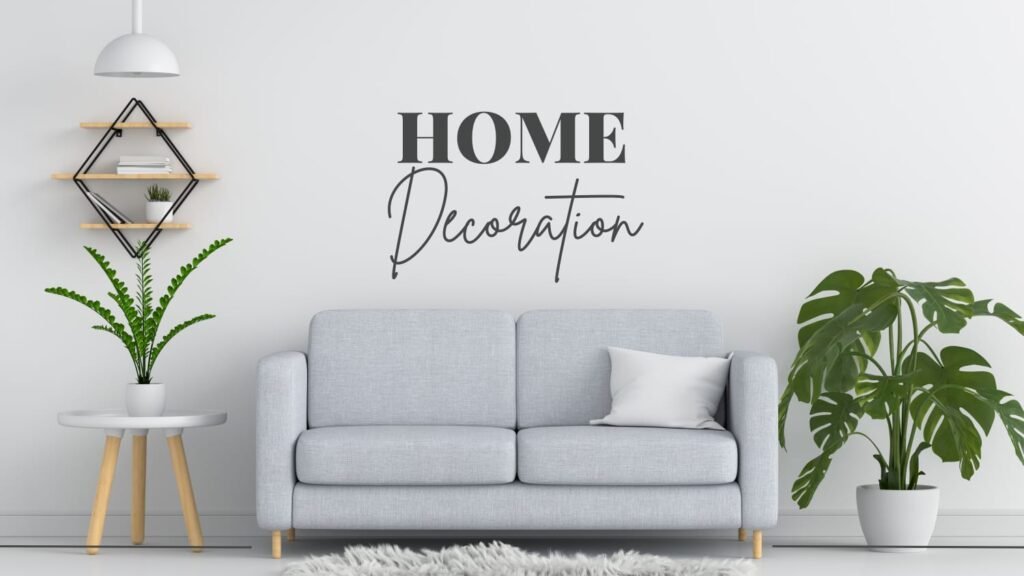
Understanding Sustainable Home Decor
Sustainable home decor is a vital aspect of contemporary interior design, emphasizing the importance of reducing environmental impact while promoting healthier living spaces. This approach acknowledges the relationship between our choices in decor and the broader ecological implications. Adopting sustainable methods in home design is not merely a trend; it reflects a growing awareness of our responsibility toward the planet, intertwining aesthetics with eco-consciousness.
At its core, sustainable home decor revolves around key principles, such as minimizing waste and utilizing renewable resources. This involves opting for eco-friendly materials that not only enhance the beauty of a space but also contribute positively to the environment. For instance, materials such as bamboo, recycled metal, and reclaimed wood are increasingly popular choices that exemplify sustainability. These materials not only reduce the demand for new resources but also offer unique character and charm to any home.
Energy efficiency is another critical component of sustainable home decor. Implementing energy-efficient appliances, lighting solutions, and insulation techniques can significantly lower one’s carbon footprint while creating a more comfortable living environment. Furthermore, prioritizing non-toxic materials contributes to healthier indoor air quality, reducing the adverse effects of pollutants often found in conventional furnishings and finishes.
Ethically sourced products also play a significant role in sustainable interior design. Supporting fair trade and local artisans not only fosters community growth but ensures that the materials used are harvested responsibly. This aspect emphasizes the importance of mindfulness in consumer choices, encouraging individuals to inquire about the origins of the products they bring into their homes.
Ultimately, embracing sustainable home decor leads to a holistic approach that benefits both occupants and the planet, intertwining ecological integrity with aesthetic appeal.
Upgrade your view — and your home’s value! Click on the link below and get a free quote for efficient roof remodeling today.
Disclosure: This post contains an affiliate link. If you click the link below and take action, I may earn a commission at no extra cost to you.
Eco-Friendly Ideas for the Living Room
The living room serves as a central hub in many homes, making it an ideal space to implement eco-friendly practices. One effective approach to creating a more sustainable living room is to incorporate second-hand furniture. By purchasing vintage or pre-owned items, homeowners can significantly reduce their carbon footprint while adding unique character to their decor. Thrift stores, online marketplaces, and estate sales offer a plethora of options that are both stylish and environmentally friendly.
In addition to sourcing second-hand pieces, opting for natural fabrics for upholstery is crucial in establishing a green living space. Materials such as organic cotton, linen, or hemp not only enhance aesthetic appeal but also promote health by minimizing exposure to harmful chemicals often found in synthetic textiles. Selecting furniture made from sustainably sourced wood can further bolster the environmental integrity of the living room.
Another practical suggestion is to incorporate indoor plants, which serve as natural air purifiers. Plants such as spider plants, peace lilies, and snake plants are known for their ability to improve air quality by absorbing toxins and releasing oxygen. Moreover, the presence of greenery can create a calming atmosphere, promoting overall well-being for occupants.
Energy-efficient lighting options, such as LED bulbs, should also be considered when updating the living room’s lighting fixtures. LED lights consume significantly less energy compared to traditional incandescent bulbs and have a longer lifespan, which reduces waste in landfills. Dimmers and smart lighting systems can further enhance energy savings by allowing for customized brightness levels based on usage and preference.
Lastly, decluttering and repurposing existing items can contribute to an eco-conscious living room. By rethinking the use of furniture and decor, homeowners can find new purposes for items that may otherwise contribute to waste. This practice not only ensures an organized and attractive space but also embodies the principles of sustainability and creativity.
Sustainable Solutions for the Kitchen and Dining Area
The kitchen and dining area play a crucial role in promoting sustainability within a home. One of the primary steps toward achieving an eco-friendly kitchen is selecting energy-efficient appliances. Look for appliances that bear the ENERGY STAR label, indicating they meet energy efficiency guidelines set by the U.S. Environmental Protection Agency. These appliances consume less energy and water, which contributes to a reduction in your overall carbon footprint. Furthermore, consider using induction cooktops, which are not only faster but also more energy-efficient compared to traditional electric or gas stoves.
When it comes to dishware, opting for biodegradable or reusable options is essential. Avoid single-use plastics, which contribute significantly to environmental waste. Instead, choose plates and utensils made from sustainable materials like bamboo, palm leaves, or recycled materials. These not only reduce waste but can also add an aesthetic appeal to your dining experience. Incorporating upcycled decor items into your kitchen can also lend uniqueness to the space while promoting reuse and creativity.
Managing food waste is another significant aspect of creating a sustainable kitchen. Smart storage solutions such as glass containers can help prolong the life of perishables, reducing the need to throw away spoiled food. Implementing a composting system is another effective strategy to divert organic waste from landfills. Composting enriches the soil and minimizes the carbon emissions associated with waste decomposition. Opting for organic materials, such as locally sourced fruits and vegetables, further enhances sustainability by reducing the environmental impact linked to transportation and industrial farming practices.
In designing a sustainable kitchen, thoughtful choices not only benefit the environment but may also lead to a more enjoyable cooking and dining experience. By prioritizing energy-efficient appliances, eco-friendly dishware, and effective waste management, you can establish a greener approach to your culinary endeavors.
Creating a Green Bedroom and Bathroom Retreat
Transforming your bedroom and bathroom into eco-friendly retreats is an essential step towards a sustainable lifestyle. The first consideration should be the materials used in these spaces. Opting for organic bedding made from natural fibers such as organic cotton or linen can significantly reduce your carbon footprint. These materials are not only sustainable but also free from harmful chemicals, promoting better health while offering comfort.
Sustainable flooring options should also be part of your eco-conscious bedroom. Bamboo and cork are excellent choices, as they are renewable resources that are durable and stylish. Additionally, these materials can enhance the overall aesthetic of the room, creating a tranquil environment conducive to relaxation and sleep.
In the bathroom, implementing water-saving fixtures like low-flow toilets and showerheads is a practical way to conserve water without compromising comfort. These fixtures reduce water usage while still providing effective performance, truly embodying the principles of sustainable living. Furthermore, consider using non-toxic paints and finishes for both your bedroom and bathroom. These choices help reduce indoor air pollution, ensuring a healthier space for you and your family.
Integrating natural elements into your decor can also elevate the ambiance of these areas. Adding houseplants not only purifies the air but brings a refreshing touch of nature. Simple accents like wooden frames or stone decor can enhance the soothing aesthetic, making your spaces feel like true sanctuaries. Ultimately, creating a green bedroom and bathroom retreat blends style with sustainability, fostering a peaceful environment that reflects your commitment to the planet.