
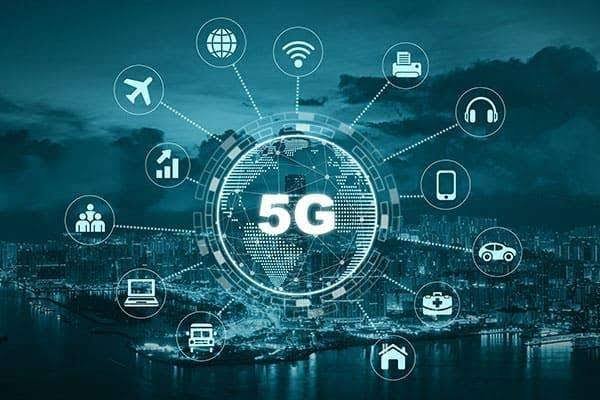
Introduction to 5G Technology
5G technology represents the fifth generation of mobile networks, bringing significant enhancements and revolutionary changes compared to its predecessors. The evolution from 1G to 5G has been a journey marked by dramatic advancements in mobile communication, spectrum usage, and data transfer speeds. Each generation has introduced distinct improvements, reflecting the growing demand for connectivity and the changing landscape of technology utilization across diverse sectors.
1G was primarily focused on voice communication, providing analog signals to transmit conversations. With the advent of 2G, digital communication emerged, allowing for text messaging and basic data services. The introduction of 3G brought remarkable data speeds, facilitating mobile internet access and multimedia services. The subsequent 4G LTE technology further accelerated this evolution, providing faster data rates and enabling high-definition video streaming and robust mobile applications.
Now, we enter the era of 5G, which is designed to overcome the limitations faced by previous generations. Unlike 4G, which maxed out at a few hundred megabits per second, 5G technology can achieve speeds exceeding 10 gigabits per second, thus revolutionizing not only mobile connectivity but also enabling new applications and services. Furthermore, 5G introduces ultra-low latency, providing near-instantaneous response times that are critical for applications such as remote surgery, autonomous vehicles, and virtual reality. This capability facilitates a seamless user experience and opens doors to innovative solutions across industries.
Moreover, 5G technology supports a vast number of devices simultaneously, paving the way for the Internet of Things (IoT) proliferation, where smart devices can connect and communicate efficiently. Overall, 5G signifies a transformative leap in the world of connectivity, promising to enhance various aspects of everyday life and revolutionize industries through unparalleled speed, efficiency, and capacity.
Key Features of 5G
5G technology is poised to revolutionize the way we connect, interact, and conduct transactions in our daily lives. One of the most significant features of 5G is its ultra-fast internet speeds, which can reach up to 20 Gbps. This level of speed surpasses that of previous generations, enabling users to download large files in an instant and stream high-definition videos without buffering. Enhanced bandwidth means more users can connect simultaneously, thus promoting an efficient online experience even in crowded areas.
In addition to speed, low latency is another major benefit associated with 5G technology. Latency, defined as the time it takes for data to be transmitted from one point to another, is reduced significantly with 5G. While 4G networks typically exhibit latency around 30-50 milliseconds, 5G reduces this figure to under 10 milliseconds. Such low latency is particularly advantageous for applications that require real-time data transfer, such as online gaming, virtual reality, and autonomous vehicles, where split-second decisions are crucial.
Moreover, 5G technology supports massive device connectivity, a feature that is pivotal for the Internet of Things (IoT). With estimates suggesting that 5G can connect up to one million devices per square kilometer, it facilitates a seamless integration of smart devices, sensors, and appliances. This massive connectivity enhances smart cities, industrial automation, and health monitoring systems by allowing for instant communication and data analysis among devices.
Lastly, the reliability of 5G networks is significantly improved. Thanks to advancements in network architecture, 5G is designed to maintain consistent performance even under heavy usage. This reliability ensures that users have a stable connection for applications that demand uninterrupted service, ultimately enhancing the overall user experience. As these key features of 5G technology come into play, they promise to reshape connectivity and enable innovative applications that were previously unimaginable.
Understanding the Technical Foundations of 5G Technology
5G technology represents a significant evolution in mobile connectivity, built upon a complex foundation of various technical innovations. Central to its operation is the utilization of new radio frequencies, which are essential for achieving faster data speeds and reduced latency. The spectrum used in 5G extends beyond the frequencies applied in previous generations, utilizing both low-band and high-band frequencies, often referred to as millimeter waves (24 GHz and above). These higher frequencies allow for increased data transmission rates, accommodating the growing demand for bandwidth from mobile devices.
Another critical aspect of 5G technology is small cell architecture. Unlike 4G networks, which rely on large cell towers spaced over greater distances, 5G networks are composed of numerous small cells positioned much closer together. This infrastructure upgrade is vital for maximizing the performance and efficiency of 5G. Small cells facilitate the transmission of higher frequency signals and provide improved coverage, especially in densely populated urban areas where traditional towers may struggle to maintain connection quality. The deployment of these small cells leads to enhanced connectivity and enables the support of a greater number of devices simultaneously.
In addition to the new radio frequencies and small cell technology, 5G deployment necessitates significant infrastructure upgrades, including fiber optic cables and advanced networking equipment. These upgrades ensure that data can be transferred at unprecedented speeds and reliability. Along with the enhanced physical infrastructure, 5G also relies on software advancements, such as network slicing, which allows multiple virtual networks to operate concurrently over the same physical infrastructure, optimizing network resources for diverse applications.
Through these multifaceted technical components, 5G technology is set to revolutionize connectivity, empowering a wide array of applications, from IoT to automated systems in various industries. Understanding these underlying principles is essential for grasping the implications of this transformative era in communication.
The Impact of 5G on Everyday Life
The advent of 5G technology is poised to revolutionize multiple aspects of daily life, bringing about significant enhancements in connectivity and communication. One of the primary advantages of 5G is its remarkable download speeds, which are expected to be up to 100 times faster than the current 4G networks. This unprecedented speed will facilitate quicker file downloads, allowing users to download high-definition movies in seconds rather than minutes, thereby enhancing entertainment experiences significantly.
In addition to faster downloads, 5G technology will improve streaming quality. As video content continues to dominate consumption patterns, users are increasingly demanding seamless streaming experiences. With 5G, buffering will become a rare occurrence, and users can expect smoother transitions and higher-quality visuals during streaming, even in crowded environments. This enhancement will not only benefit individual users but will also foster the growth of platforms that rely heavily on video content.
Moreover, 5G’s low latency—defined as the time it takes for data to travel from a sender to a receiver—will greatly enrich experiences for gamers. Real-time online gaming, which is often sensitive to delays, will see enhanced performance under 5G networks. Players will notice reduced lags, leading to more immersive and competitive gaming experiences. The advent of augmented reality (AR) and virtual reality (VR) applications will also thrive on this low latency, providing users with interactive environments that were previously unattainable.
Beyond entertainment and gaming, 5G’s impact extends into professional domains as well. Remote work is becoming increasingly common, and the need for stable, high-speed connections is paramount. With 5G, virtual meetings, cloud-based collaboration, and digital workflows can occur without interruption, enhancing productivity. Overall, 5G technology promises to augment both personal and professional lives, making everyday activities more efficient and enjoyable.
5G and the Internet of Things (IoT)
The advent of 5G technology marks a transformative phase in the realm of connectivity, particularly concerning the Internet of Things (IoT). With its capability to deliver faster data transfer rates, lower latency, and improved capacity, 5G plays a pivotal role in promoting the proliferation of IoT devices. This advancement supports significant enhancements in various sectors, including smart homes, health monitoring systems, and a myriad of connected devices that together create an interconnected ecosystem.
In the context of smart homes, 5G enables seamless communication between appliances, security systems, and energy management tools. For instance, household devices can work in harmony, providing users with real-time data and control from their smartphones. The swift response time offered by 5G minimizes delays in device interactions, making everyday tasks—from adjusting thermostats to managing lighting systems—more efficient and user-friendly.
Moreover, the integration of 5G with health monitoring systems is poised to revolutionize patient care. Wearable health devices can relay vital information to healthcare providers instantaneously, enabling real-time monitoring of patients’ conditions. This is particularly advantageous for chronic illness management or elderly care, where prompt interventions can significantly impact patients’ health outcomes.
Furthermore, the enhanced connectivity offered by 5G technologies supports the development of various connected devices in sectors such as agriculture, transportation, and manufacturing. For example, farmers can utilize IoT sensors connected via 5G networks to monitor soil conditions, optimize irrigation, and increase crop yields effectively. This synergy not only fosters innovation but also drives advancements aimed at sustainability and improved quality of life.
In conclusion, the harmonious relationship between 5G technology and the Internet of Things serves as a catalyst for modern advancements across numerous domains, fundamentally shaping how individuals interact with technology in their daily lives.
5G in Smart Cities
As urbanization continues to accelerate, the development of smart cities has become a focal point for municipalities worldwide. Central to this evolution is 5G technology, which promises to revolutionize how cities operate by improving connectivity and facilitating efficient resource management. With its high-speed data transmission and low latency, 5G serves as the backbone for various smart city applications, including intelligent transportation systems, enhanced public safety, and sustainable energy management.
One significant aspect of smart cities powered by 5G is the establishment of intelligent transportation systems (ITS). These systems utilize real-time data to optimize traffic flow, reduce congestion, and improve overall public transport efficiency. For instance, vehicles connected through 5G networks can communicate with traffic signals to ensure smoother transitions, while public transport can be tracked and controlled more effectively. This connectivity enables not only enhanced commuter experiences but also contributes to reduced emissions and better urban air quality.
Moreover, public safety stands to benefit immensely from the widespread implementation of 5G in smart cities. Through the integration of high-definition cameras, sensors, and drones, real-time monitoring and response to emergencies become feasible, extending the capabilities of law enforcement and emergency services. Faster data transfer speeds enable quicker decision-making processes and enhance coordination between different agencies, ultimately fostering a safer urban environment.
Finally, sustainable energy management is another critical area where 5G technology plays a pivotal role. With its ability to connect various energy-consuming devices, including smart grids and renewable energy sources, cities can better manage energy distribution and consumption. By using real-time analytics to monitor energy usage patterns, urban planners can implement strategies that enhance energy efficiency and reduce waste, contributing to the overall sustainability goals of smart cities.
Autonomous Vehicles and 5G
The advent of 5G technology is poised to revolutionize various aspects of transportation, particularly in the realm of autonomous vehicles. One of the most critical elements of fully autonomous driving is the ability to achieve seamless communication between vehicles (V2V) and between vehicles and infrastructure (V2I). This communication relies heavily on the characteristics of 5G networks. With low latency and exceptional data transfer speeds, 5G can facilitate real-time information exchange, which is imperative for the safety and efficiency of autonomous driving systems.
High-speed connectivity provided by 5G dramatically reduces the time it takes for vehicles to send and receive data. This swift exchange of information allows autonomous vehicles to respond to changing road conditions or potential hazards almost instantaneously. For instance, if a vehicle detects an obstacle, it can quickly communicate this information to other nearby vehicles, enabling them to adjust their routes or speeds accordingly. With 5G’s reliability, traffic management systems can also relay crucial data on traffic flow, enabling autonomous vehicles to optimize their paths in real-time.
Moreover, the integration of 5G technology with infrastructure elements, such as traffic lights and road sensors, creates a smarter transportation ecosystem. These enhancements ensure that autonomous vehicles can make informed decisions based on comprehensive data from both their surroundings and the broader traffic network. As a result, this interconnected system significantly increases roadway safety and minimizes accidents.
In conclusion, the synergistic relationship between 5G technology and autonomous vehicles underlines the importance of robust and responsive communication networks. By enabling quick and efficient data transfer, 5G technology stands as a pivotal component in the evolution and functionality of autonomous driving, ultimately aiming to transform how we approach mobility in the future.
Challenges and Concerns Surrounding 5G
The advent of 5G technology promises to revolutionize connectivity, but its rollout is not without a host of challenges and concerns. One of the primary hurdles is the significant infrastructure costs associated with the deployment of 5G networks. Unlike its predecessors, 5G requires a denser network of small cell towers, which necessitates substantial investments in both public and private sectors. This financial burden can lead to disparities in access, particularly in rural or underserved areas where economic viability may be in question. As a result, many communities may find themselves grappling with inequities in connectivity.
In addition to financial constraints, there are pressing security risks associated with the implementation of 5G networks. As this next-generation technology becomes increasingly integrated into critical infrastructure and daily communications, the potential for cyberattacks escalates. With diverse devices, ranging from personal smartphones to autonomous vehicles, all interconnected via 5G, vulnerabilities within this ecosystem can be exploited by malicious actors, posing threats to data integrity, privacy, and overall cybersecurity. This has raised alarms among experts and necessitated the development of stringent security protocols to mitigate risks.
Moreover, health implications linked to 5G technology are frequently discussed in various forums. Some citizens and scientists express concerns regarding the electromagnetic radiation emitted by 5G networks and its potential impact on human health. Although the majority of scientific research indicates that 5G is safe when adhering to established safety standards, the uncertainty and differing viewpoints have led to widespread public apprehension. This has created a complex social dialogue around the health effects of 5G technology, adding another layer of challenge to its acceptance and deployment.
The Future of 5G Technology
The landscape of modern connectivity is poised for significant transformation as the deployment of 5G technology continues to expand. Beyond the immediate benefits of enhanced speed and lower latency, the future of 5G holds potential for groundbreaking advancements across various sectors. As 5G networks gain traction globally, industries such as healthcare, automotive, and entertainment are likely to see innovative applications of this technology that can substantially improve efficiency and user experience.
In the healthcare sector, 5G technology can facilitate real-time remote monitoring and telemedicine, enabling doctors to provide timely care regardless of geographical barriers. The integration of Internet of Things (IoT) devices, powered by 5G, could lead to smarter patient management systems that enhance patient outcomes. Autonomous vehicles also stand to benefit significantly from 5G, as the low latency can support real-time data transmission necessary for navigational accuracy and safety. The automotive industry may witness a new era of connected cars that communicate with each other and the infrastructure around them, paving the way for safer and more efficient transportation solutions.
Furthermore, as the world witnesses the gradual rollout of 5G, discussions about the transition to 6G technology have begun. 6G is projected to offer even higher data rates, greater reliability, and broader applications that could include advancements like holographic communications and enhanced virtual reality. The evolution from 5G to 6G will not only build upon the existing framework but also redefine connectivity, expanding the realms of possibility in how people interact with technology and each other.
As we look ahead, it is essential to recognize that the journey toward a fully connected future is just beginning with 5G. The global expansion of 5G networks will continue to spur innovations that enhance everyday life, and soon, the integration of 6G concepts will further elevate the capabilities of communication technology. The future of connectivity is bright, and as 5G lays the foundation, the next waves of technological evolution are already on the horizon.