
Understanding the Impact of Lighting on Mood
The influence of lighting on mood and emotional well-being is well-documented and has been the subject of numerous research studies. Various forms of lighting can elicit different emotional responses in individuals, affecting everything from productivity to relaxation. Natural light, in particular, has been shown to boost serotonin production, which enhances mood and promotes a sense of well-being. Exposure to daylight can significantly improve focus and energy levels, making it a crucial element in workspaces and educational environments.
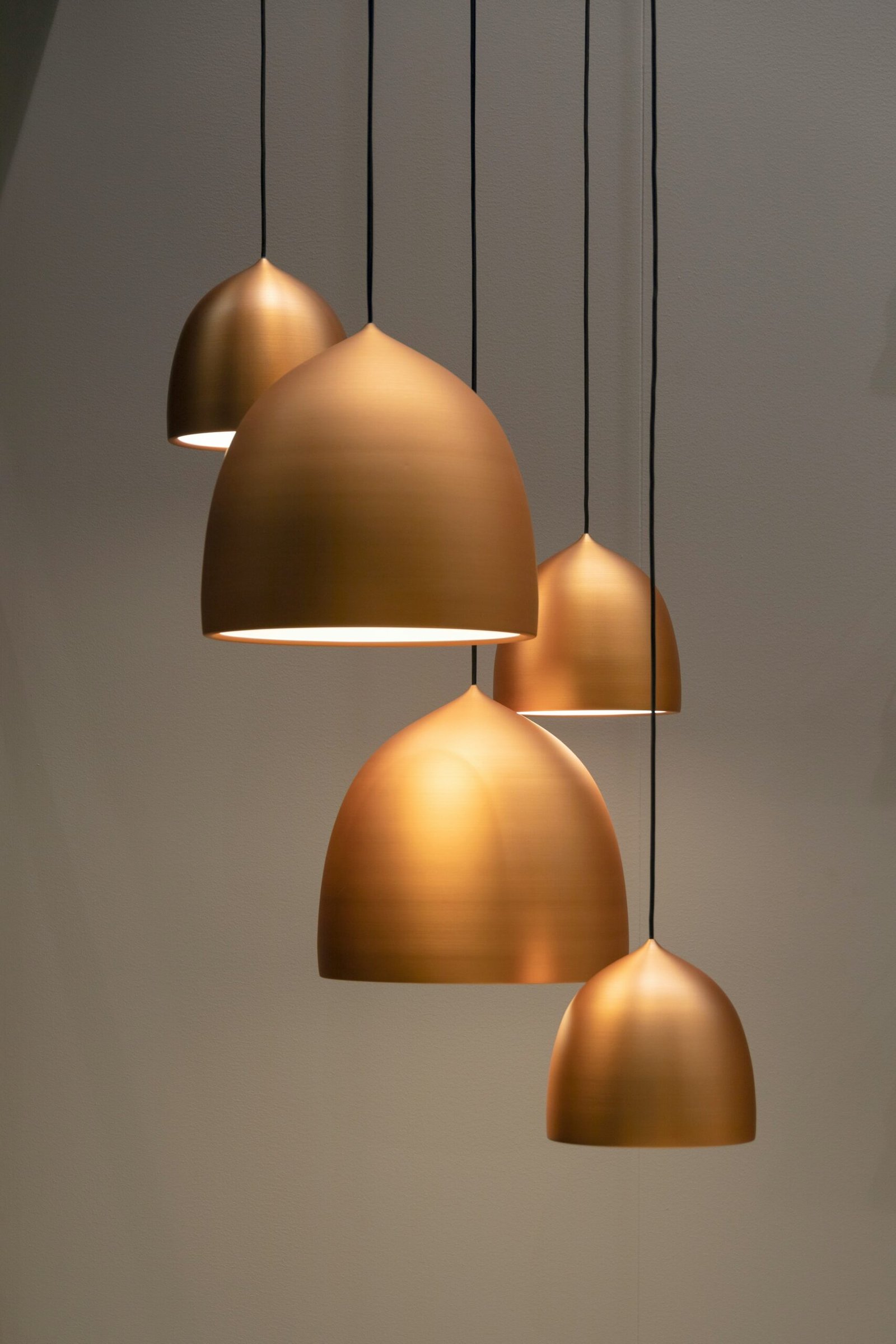
In contrast, artificial lighting can vary drastically in its effects. Warm tones, often characterized by a golden hue, are known to create a sense of comfort and intimacy. Such lighting is frequently utilized in residential interiors to cultivate a cozy atmosphere, particularly in living rooms and bedrooms. On the other hand, cooler tones—a quality common in many modern office settings—are conducive to alertness and efficiency. They tend to promote a more dynamic environment, which can be beneficial for task-oriented activities.
The use of adjustable lighting is becoming increasingly popular in both private and professional spaces, allowing individuals to tailor their environment to suit their current mood or activity. For instance, soft dimmable lights are often employed during social gatherings to foster conversation and relaxation, whereas bright, focused lighting is favored in study areas and kitchens for enhanced visibility and concentration.
Expert opinions underscore the idea that the psychological effects of lighting extend beyond mere functionality. The right lighting choices can influence human interactions, improve overall quality of life, and create distinct atmospheres. Given that people spend a significant amount of time indoors, consciously selecting lighting types that align with desired emotional responses can lead to both improved mental health and a greater sense of stability in daily life.
Maximizing Natural Light in Your Home
Natural light is a significant factor that contributes to the overall aesthetic and mood of a home. To maximize the use of this valuable resource, homeowners can implement several strategies aimed at enhancing light flow throughout their spaces. One of the simplest yet most effective methods involves the use of window treatments. Opting for sheer curtains or blinds that can be easily adjusted allows natural light to flood the room while still providing some level of privacy. Avoid heavy drapes that block sunlight; instead, choose lighter fabrics that diffuse the brightest rays and create a soft, inviting atmosphere.
Another crucial element in maximizing natural light is the placement of mirrors. Strategically positioning mirrors opposite windows can help amplify the amount of light that enters a room. The reflective surfaces will bounce light around, making the space feel larger and brighter. Additionally, using mirrored furniture or accents can further enhance this effect, providing a modern twist while maintaining functionality.
Color selection plays a pivotal role in how light behaves within a space. Lighter colors, particularly whites, creams, and pale pastels, tend to reflect light, creating an airy environment. Conversely, darker colors absorb light, which can make a room feel smaller and more enclosed. Homeowners are encouraged to paint walls and choose decor that complement the flow of natural light. Maintaining a clutter-free environment is equally important, as excessive furniture or decor can obstruct light and detract from the visual openness of a room.
When selecting and positioning furniture, aim for design that allows for light penetration. Arranging furniture away from windows and selecting low-profile pieces can create a seamless flow of natural light throughout the space. By considering these strategies, homeowners can effectively maximize the benefits of natural light and enhance the overall ambiance of their homes.
Choosing the Right Artificial Lighting
Artificial lighting plays a pivotal role in enhancing the ambiance of any room, and understanding the various types available is crucial for effective implementation. The three primary layers of lighting—ambient, task, and accent—serve distinct purposes and contribute to a well-lit space. Ambient lighting provides general illumination, while task lighting focuses on specific areas for activities like reading or cooking. Accent lighting, on the other hand, highlights particular features within a room, drawing attention to artwork or architectural details.
When selecting fixtures, consider how these layers can be combined to achieve a versatile atmosphere. For instance, a well-placed chandelier can offer ambient light, supplemented by under-cabinet lights that provide task lighting in the kitchen. These design elements not only improve functionality but also enhance the aesthetic appeal of the space.
In choosing the right bulb type, it is essential to weigh the advantages and disadvantages of each option. Incandescent bulbs, while providing warm light, are less energy-efficient and have a shorter lifespan. Fluorescent bulbs offer better efficiency but may emit harsh light. LED bulbs are increasingly favored for their longevity, low energy consumption, and versatility in color temperature. They come in a range of options, allowing homeowners to choose warm, neutral, or cool tones based on the desired mood of each room.
Color temperature plays a vital role in setting the atmosphere. Warmer tones create a cozy and inviting environment, ideal for living rooms and bedrooms, whereas cooler tones tend to enhance focus and alertness, making them well-suited for workspaces such as home offices or kitchens. By carefully considering the layers of lighting, the types of bulbs, and their corresponding color temperatures, one can transform any space into a well-lit haven tailored to its purpose.
Lighting Design Tips for Every Room
Effective lighting design plays a crucial role in creating the desired ambiance and functionality of any room in a home. Each space serves a unique purpose, and thoughtful lighting choices can significantly enhance both aesthetics and usability. Below are practical tips tailored for the living room, kitchen, bedroom, and bathroom.
In the living room, consider layered lighting to adjust the mood for various activities. Combining ambient, task, and accent lighting can create a versatile environment. Use dimmable fixtures to easily shift from bright light during social gatherings to softer tones for relaxed evenings. Decorative lamps, wall sconces, and strategically placed LED strips can highlight artworks or architectural features, adding depth and character.
For the kitchen, functionality is key. Bright, focused lighting over work areas enhances visibility for meal preparation and cooking. Utilize under-cabinet lights that illuminate countertops while minimizing shadows. Pendant lights over an island can serve as both task lighting and a design statement. Incorporating smart lighting options that allow for adjustable brightness can make the space adaptable, catering to both cooking tasks and casual dining.
In the bedroom, consider creating a serene atmosphere that promotes relaxation. Soft, warm lighting choices can help in winding down at the end of the day. Bedside lamps should provide adequate light for reading without being overly harsh. A dimmer switch can facilitate a gradual transition from bright morning light to soft evening tones. Accent lighting can also be used to highlight personal décor pieces or create a cozy nook.
Finally, in the bathroom, it’s important to factor in both functionality and safety. Task lighting around mirrors should be adequately bright, making grooming and personal care easier. Utilize wall-mounted fixtures to avoid shadows and ensure even distribution of light. Here, too, smart lighting solutions can adjust brightness levels to cater to different routines, ensuring specific tasks can be completed comfortably and efficiently.
Implementing these lighting design tips can transform each space, highlighting functionality while enhancing the overall aesthetic appeal of your home.